What Is Classic Garment Dye? The 1801 Finish & Color Guide
Our 1801 is a substantial 6.5 oz USA-cotton tee offered in four dye and wash options. This guide focuses on Classic—its rich garment-dyed finish and 39-color range.
Classic at a glance
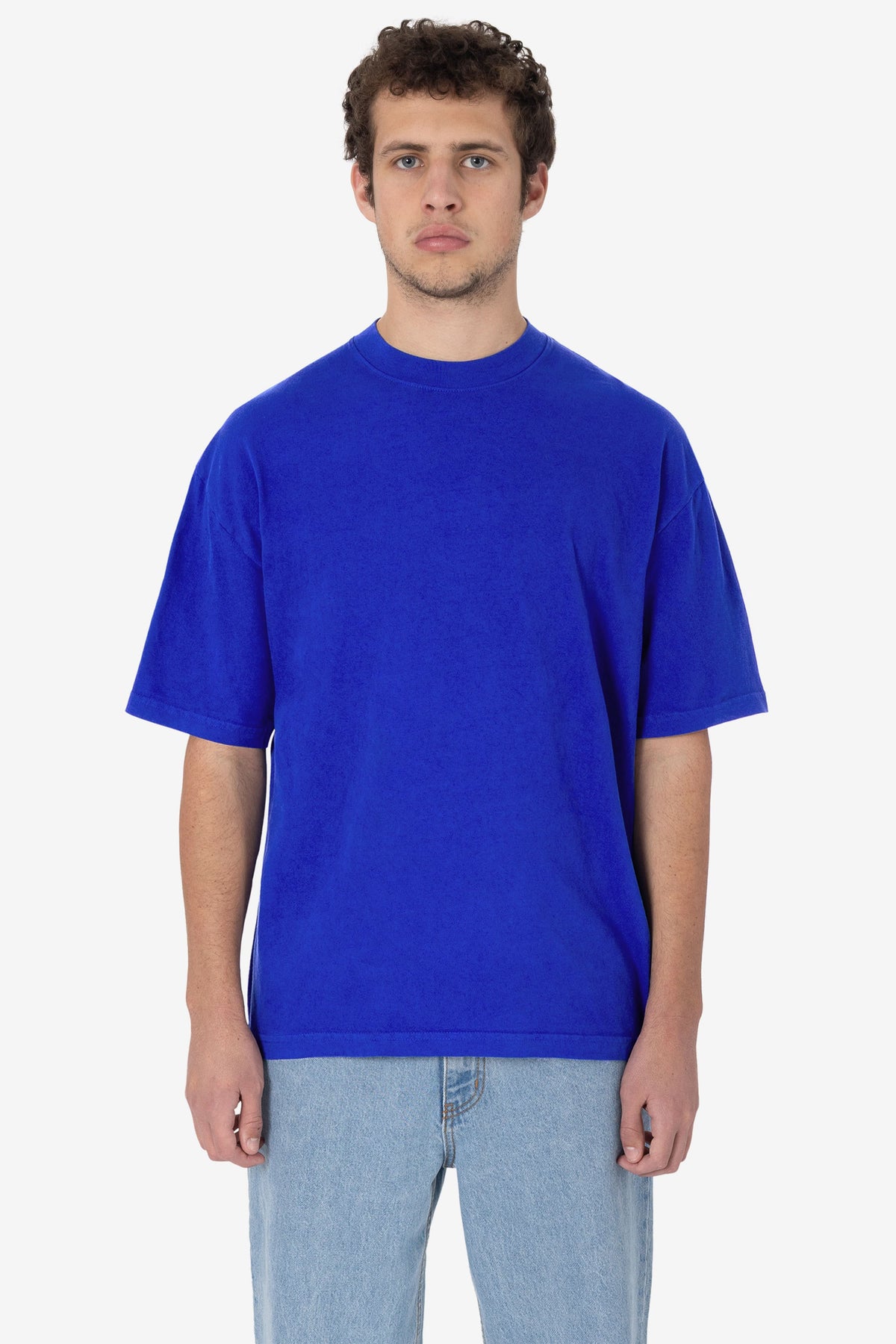
Our 1801 is a substantial 6.5 oz, 100% USA-cotton tee that we knit, cut, sew, and dye in Los Angeles. When you shop the 1801 Color Palette, the first choice is not actually the color. It is the type of finish you want.
We offer the 1801 in four dye and wash options: Classic, Pigment Wash, Mineral Wash, and Neon. Each gives the shirt a different visual character. Classic has a rich garment-dyed look, Pigment is more muted and distressed, Mineral has a faded, weathered look, and Neon is built around highly saturated color.
This guide focuses on Classic Garment Dye. With Classic, we sew the shirt first, then garment-dye and enzyme-wash the finished garment. This gives the completed tee rich color while keeping the cotton texture visible and giving it a broken-in feel from the start.
Classic also gives you the widest color range: 39 colors organized into four families. We’ll first show you how Classic compares with the other three finishes, then help you narrow the range from finish to color family to the individual shade that works for you.
Base fabric
6.5 oz USA cotton
Construction
Fully sewn before dyeing
Finishing
Garment-dyed + enzyme-washed
Classic range
39 colors in four families
How We Give the 1801 Its Classic Finish
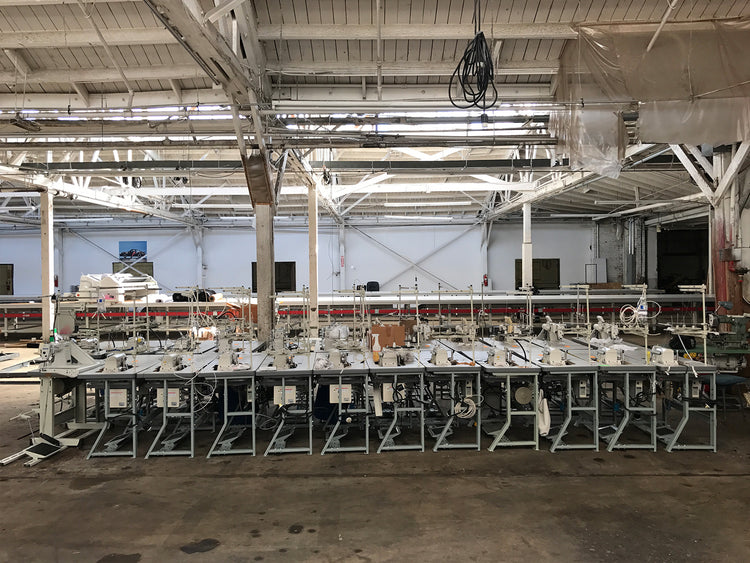
Once you choose Classic, the key difference is when we add the color. We sew the body, sleeves, seams, and rib collar first, then dye the completed shirt.
The 1801 uses substantial 6.5 oz, 100% USA-cotton jersey made with 18/1 open-end yarn. After dyeing, we enzyme-wash the shirt. The result is rich color, visible cotton texture, and a naturally broken-in feel from the start.
We describe the 1801 as virtually shrink-free, with color designed to stay true through repeated washing. Garment-dyed color can still vary slightly from one dye bath to another.
The body, sleeves, seams, and collar are already in place before color is added.
Dyeing the completed shirt is what makes Classic a garment-dyed finish.
The wash gives the substantial cotton a broken-in feel before the shirt reaches you.
The color highlights the jersey texture, while the enzyme wash creates the finished feel.

What the Classic Finish Looks Like
The easiest way to recognize Classic is the balance: rich color, visible cotton texture, and a broken-in finish. It does not have the more distressed Pigment look, the weathered Mineral effect, or the high-saturation Neon look.
Classic color can still vary slightly. Separate dye baths do not produce perfectly identical shades, so two purchases of the same named color may not look exactly alike.
When you are choosing between close shades, use the live product images and color selector. A color name cannot show every difference created by screens, lighting, or a separate dye bath.
What to Expect From Classic Over Time
Classic already has a broken-in feel when it reaches you. After garment dyeing, we enzyme-wash the 1801, which gives the substantial cotton that worn-in feel from the start.
We describe the 1801 as designed to retain its color through repeated washing. Because it is garment-dyed, slight shade variation can still occur from one dye bath to another. A later shirt in the same named color may not match an older one exactly.
We do not claim a fixed aging pattern for Classic. Until we have a confirmed wash-specific standard, we do not promise that every color will fade, soften, or change in fit in the same way over time.
Classic vs. Pigment, Mineral, and Neon
If you are deciding among the four options, start with the look you want. Classic gives the 1801 a rich garment-dyed finish. Pigment is more muted and surface-distressed. Mineral looks faded and weathered. Neon uses intense pigment dyes for highly saturated color.
This comparison is about what you can see. We are not using it to rank softness, durability, or how each finish changes over time.
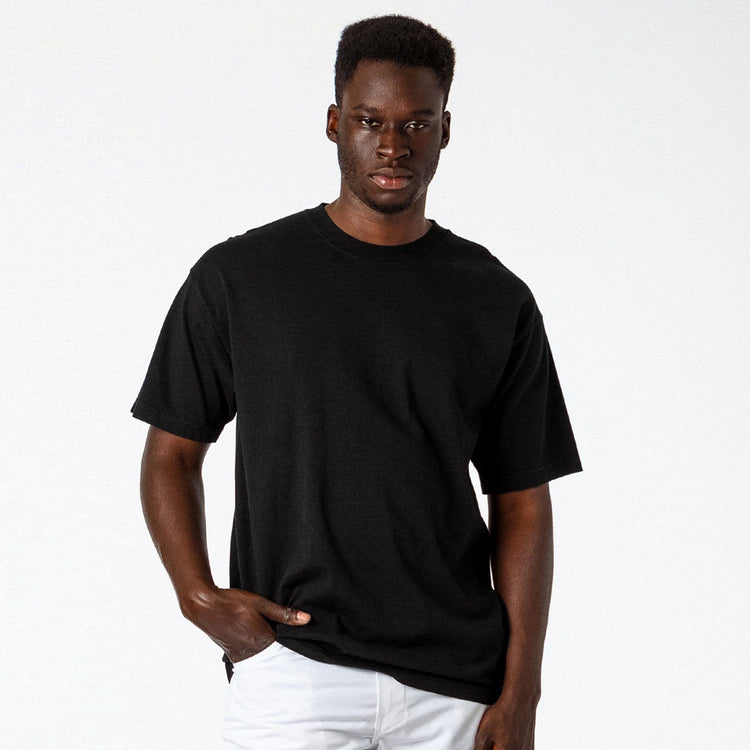
Choose Classic for the broadest range and a rich finish that keeps the cotton texture visible.
Shop Classic →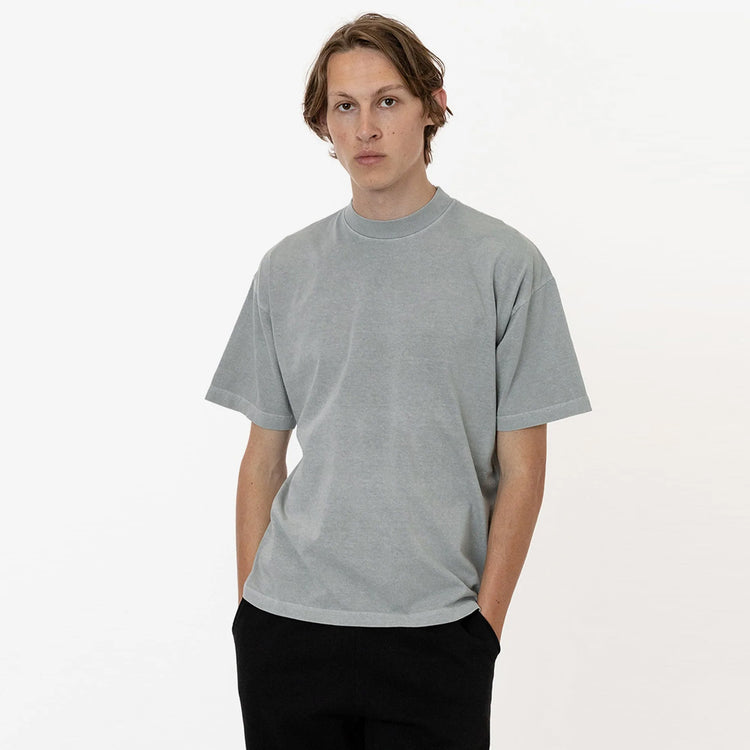
Choose Pigment for a more distressed color effect with one-of-a-kind variation.
Explore Pigment →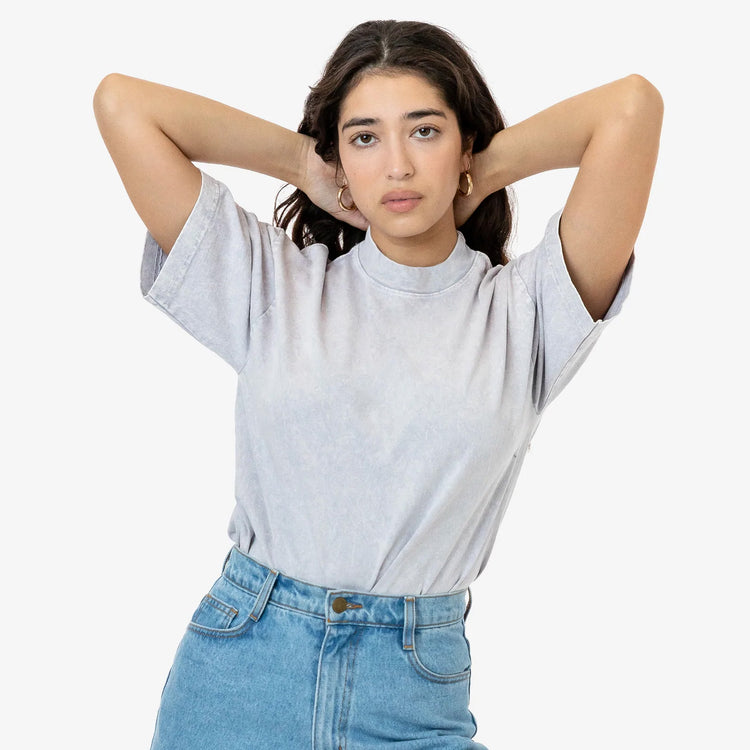
Choose Mineral when an intentionally nostalgic, weathered appearance is the main goal.
Explore Mineral →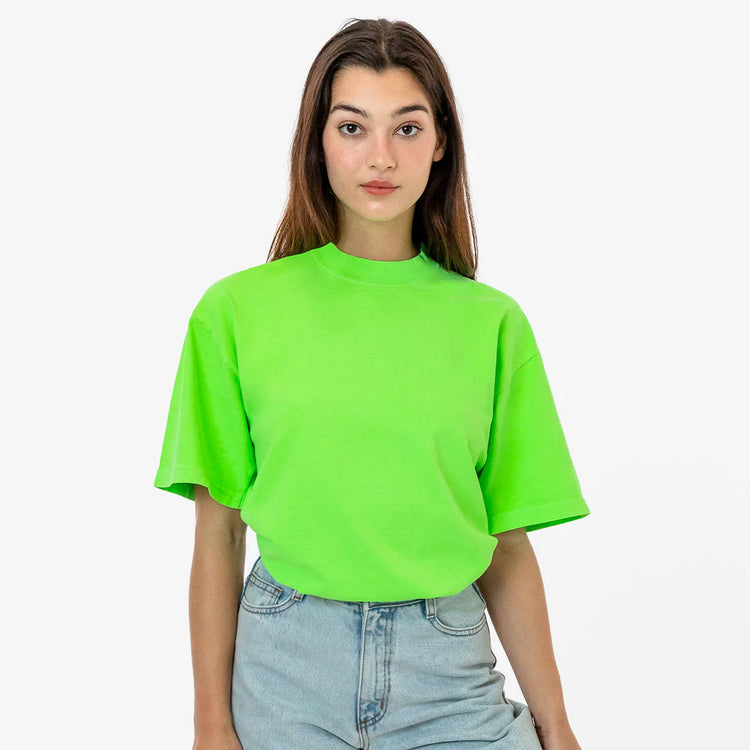
Choose Neon when intense, highly saturated color is the first decision.
Explore Neon →Swipe or scroll to compare the table
| Option | Confirmed visual direction | Choose it when | Verified colors |
|---|---|---|---|
| Classic | Rich garment-dyed color with visible cotton texture. | You want the standard finish and the broadest range. | 39 |
| Pigment Wash | Muted, surface-distressed, and individually varied. | You want a more distressed color effect. | 6 |
| Mineral Wash | Faded, weathered, and nostalgic. | You want an intentionally weathered look. | 7 |
| Neon | Highly saturated color made with intense pigment dyes. | Brightness is the main color decision. | 6 |
Choose the Finish First, Then the Color Family
Think of the 1801 choice in two layers. First choose the finish you want. If that finish is Classic, then use the four color families to narrow its 39 colors.
This matters because similar-looking colors can belong to different finishes. A black, pale neutral, blue, or bright shade is not automatically part of Classic.
Start with Classic, Pigment Wash, Mineral Wash, or Neon.
Narrow the 39 colors to Blacks & greys, Naturals & earth, Blues & greens, or Warms & brights.
Compare the current product images and color selector before making the final choice.
A later Classic purchase may not match an earlier garment exactly.
Explore All 39 Classic Colors
Classic has 39 verified colors. We group them into four families so you can narrow the range without mixing in Pigment, Mineral, or Neon colors.
Every color below belongs to Classic. The other three finishes keep their own separate color ranges.
Start here if you want black, charcoal, grey, or another restrained neutral shade.
Start here for White, Off White, Creme, Beige, and Chocolate.
Start here for blues, teals, greens, and softer cool shades.
Start here for reds, oranges, yellows, purples, and pinks.
Swipe or scroll to see which colors belong to each finish
| Classic colors | Similar names in other finishes | Where they belong |
|---|---|---|
| Black, Black Edge, Charcoal | Vintage Black, Dark Silver, Carbon Black | Vintage Black and Dark Silver are Pigment. Carbon Black is Mineral. |
| White, Off White, Creme, Beige, Chocolate | Mushroom, Clove, Patchouli, Cocoa | The first three are Pigment. Cocoa is Mineral. |
| Classic blues and greens | Indigo, Arctic, Matcha, Limestone | All four are Mineral colors. |
| Classic reds, purples, and pinks | Rose Quartz and every color beginning with “Neon” | Rose Quartz is Pigment. Neon is a separate wash choice. |
How to Choose Your Classic Color
Once you know Classic is the finish you want, the color choice becomes much simpler. Decide how much color you want in the outfit, choose one family, compare the live shades, and think about whether you need to match an older purchase.
What Shade Variation Means
Garment dye does not produce perfectly identical color from one dye bath to the next. Slight shade variation is natural, so one Classic garment can look a little different from another.
This matters most when you replace a shirt or complete a set later. The same color name tells you which color you are buying, but it does not guarantee an exact shade match with an older garment.
Keep the finish name in mind too. Classic Black, Pigment Vintage Black, and Mineral Carbon Black may sit near each other visually, but they are different colors with different finishes.
Frequently Asked Questions
What is Classic Garment Dye on the 1801?
Classic is one of four dye and wash options for our 1801 tee. We dye the completed shirt, then enzyme-wash it for rich color, visible cotton texture, and a broken-in finish.
Is Classic a separate fabric?
No. Classic changes how we dye and finish the 1801; it is not a different fabric. The tee itself uses substantial 6.5 oz, 100% USA-cotton jersey.
Which 1801 option has the broadest color range?
Classic has the broadest range, with 39 verified colors organized into four families.
How many Classic 1801 colors are there?
The verified Classic directory contains 39 colors. They are grouped into Blacks & greys, Naturals & earth, Blues & greens, and Warms & brights.
Are the four Classic color families four different washes?
No. The families only organize the Classic color range. Pigment Wash, Mineral Wash, and Neon are the other wash choices.
How does Classic look different from Pigment Wash?
Classic follows a rich standard garment-dye direction. Pigment Wash is more muted, surface-distressed, and individually varied. This comparison is about appearance, not a universal hand-feel ranking.
Why does Classic feel broken-in from the start?
After garment dyeing, we enzyme-wash the 1801. That finishing step gives the substantial cotton a broken-in feel before the shirt reaches you.
Will a new Classic shirt exactly match an older one?
Not always. Separate dye baths can produce slight shade differences, so a later purchase may not be a perfect color match for an earlier garment.
Ready to Choose a Classic 1801?
If rich garment-dyed color and the broadest 1801 color range are what you want, Classic is the place to start. We sew the shirt first, dye the completed garment, and enzyme-wash it for a broken-in finish.
From there, choose one of the four Classic families and compare the exact colors on the live product page.
If you are matching an older shirt or set, leave room for slight shade variation between dye baths.